

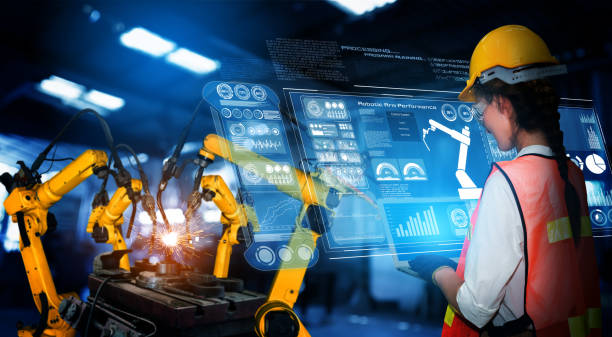

Asset management has always been a critical component of operational efficiency, cost control, and strategic planning. As technology continues to advance at a rapid pace, the future of asset management is being shaped by innovative developments in artificial intelligence (AI). These advancements promise to revolutionize the way organizations manage their assets, providing new levels of insight, automation, and optimization. In this article, we explore how AI is transforming asset management and what the future holds for this vital field.

The Role of AI in Asset Management
Artificial intelligence is making significant inroads into asset management by enhancing capabilities in predictive maintenance, data analysis, and decision-making. AI algorithms can process vast amounts of data far more quickly and accurately than human analysts, providing real-time insights that drive better decisions and more efficient operations.
- Predictive Maintenance
One of the most promising applications of AI in asset management is predictive maintenance. Traditional maintenance strategies often rely on scheduled maintenance or reactive repairs, both of which can be costly and inefficient. AI-driven predictive maintenance, however, uses machine learning algorithms to analyze historical and real-time data from sensors embedded in equipment. These algorithms can identify patterns and predict potential failures before they occur, allowing maintenance teams to address issues proactively.
This shift from reactive to predictive maintenance not only reduces downtime and repair costs but also extends the lifespan of assets. As AI continues to evolve, its predictive capabilities will become even more accurate, further enhancing operational efficiency and asset performance.

- Enhanced Data Analysis
AI excels at processing and analyzing large datasets, extracting valuable insights that might be missed by human analysts. In asset management, this means AI can analyze data from multiple sources—such as equipment sensors, maintenance records, and operational logs—to provide a comprehensive view of asset performance and health.
For example, AI can detect subtle changes in vibration patterns or temperature fluctuations that may indicate an impending failure. By alerting maintenance teams to these early warning signs, AI helps prevent costly breakdowns and optimizes maintenance schedules. Additionally, AI-driven data analysis can uncover trends and correlations that inform strategic decision-making, such as identifying the most cost-effective time to replace aging equipment.

- Automation and Efficiency
AI-powered automation is another key development shaping the future of asset management. Routine tasks, such as inventory management, scheduling, and reporting, can be automated using AI algorithms, freeing up valuable time for maintenance teams to focus on more complex and strategic activities.
For instance, AI can automatically reorder spare parts when inventory levels fall below a certain threshold, ensuring that critical components are always available without overstocking. Automated scheduling tools can optimize maintenance activities based on asset health, technician availability, and operational priorities, reducing downtime and improving resource allocation.
- AI and IoT Integration
The integration of AI with the Internet of Things (IoT) is unlocking new possibilities in asset management. IoT devices and sensors continuously collect data from assets, providing a wealth of information about their condition and performance. AI can analyze this data in real time, providing actionable insights and enabling more responsive and adaptive maintenance strategies. Some of the examples of IoT devices that can be used are temperature or pressure sensors, air or water quality sensors, noise levels, GPS trackers, industrial robots, oil or soil moisture analysis sensor, fire & gas detection sensors and others.
For example, AI can dynamically adjust maintenance schedules based on real-time asset data, ensuring that maintenance is performed only when necessary and in the most efficient manner. This not only improves asset reliability but also reduces maintenance costs and extends asset lifespans.

Looking Ahead: The Future of AI in Asset Management
As AI technology continues to advance, its impact on asset management will only grow. Here are a few trends and developments to watch for in the coming years:
- More Advanced Predictive Analytics
AI algorithms will become increasingly sophisticated, enabling even more accurate predictions of asset failures and maintenance needs. This will lead to further reductions in downtime and maintenance costs, as well as improvements in asset performance and reliability.
- Greater Integration with Business Systems
AI-driven asset management solutions will become more integrated with other business systems, such as enterprise resource planning (ERP) and supply chain management (SCM) systems. This will provide a more holistic view of operations and enable more coordinated and strategic decision-making.
- Increased Use of Autonomous Systems
Autonomous maintenance robots and drones, powered by AI, will become more common in asset management. These systems can perform inspections, diagnostics, and even repairs without human intervention, increasing efficiency and safety.
- Enhanced User Interfaces and Experiences
AI will also improve the user experience of asset management systems, providing more intuitive and user-friendly interfaces. AI-driven chatbots and virtual assistants will help maintenance teams quickly access information, troubleshoot issues, and make informed decisions.

Conclusion
The future of asset management is being shaped by groundbreaking developments in artificial intelligence. From predictive maintenance and enhanced data analysis to automation and IoT integration, AI is transforming the way organizations manage their assets. As these technologies continue to evolve, they will unlock new levels of efficiency, reliability, and performance, helping organizations achieve their strategic goals and maintain a competitive edge. Mainpac is at the forefront of these innovations, providing cutting-edge solutions that empower organizations to harness the full potential of AI in asset management. The future is bright for those who embrace these advancements and leverage AI to drive operational excellence. You can check out the Mainpac AI Solutions for more info.


