

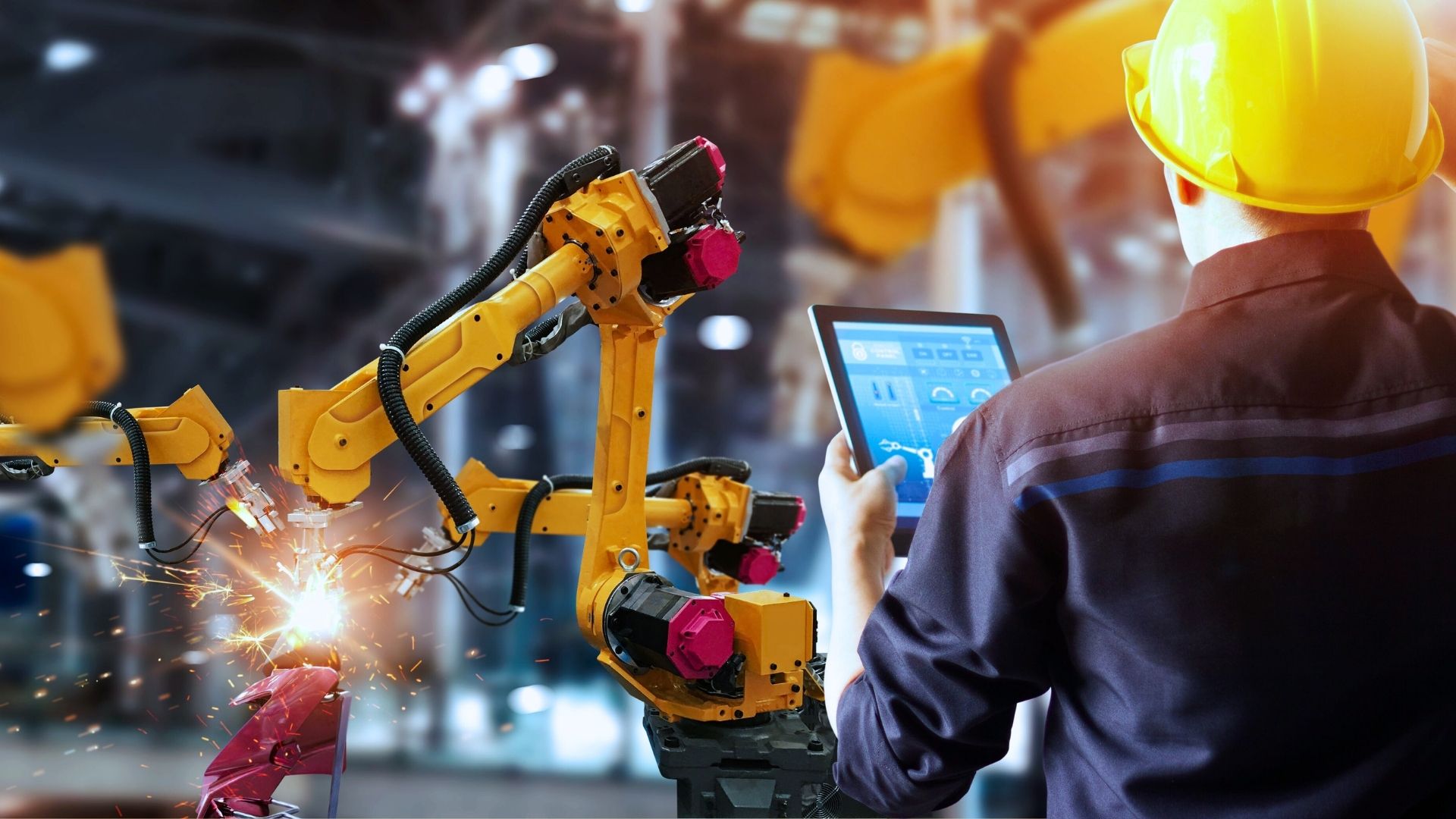

Manufacturing operations leave no room for inefficiency. From heavy machinery and production lines to facility systems, every asset must perform at peak efficiency while meeting industry standards for safety, quality, and compliance. Managing these complex fleets is no easy task, and while Enterprise Asset Management (EAM) and Computerized Maintenance Management Systems (CMMS) may seem similar at first—both reduce downtime, improve performance, and keep maintenance records—the real difference between EAM and CMMS becomes clear when compliance, lifecycle management, and data-driven decision-making enter the picture.
If you’re considering asset management software in Australia, especially for large-scale manufacturing, the choice between CMMS and EAM could directly impact efficiency, compliance, and long-term competitiveness.
What is a CMMS?
A Computerized Maintenance Management System (CMMS) is designed to simplify maintenance planning and execution. It enables maintenance teams to manage work orders, schedule preventive maintenance, and track spare parts effectively.
Core Features of CMMS in Manufacturing:
- Preventive maintenance: Automates scheduling of regular equipment checks and servicing.
- Work order tracking: Provides a centralized platform for assigning and monitoring tasks.
- Inventory control: Ensures spare parts and consumables are available when needed.
- Cost tracking: Reports on labour, downtime, and maintenance expenses.
CMMS has become popular in manufacturing plants where the primary goal is to reduce unplanned downtime and streamline daily maintenance.
Limitation: CMMS focuses on maintenance tasks only. It doesn’t provide full lifecycle visibility, predictive insights, or integration with broader business systems, which can leave manufacturing plants with data silos and missed opportunities for efficiency gains.
What is EAM?
An Enterprise Asset Management (EAM) system goes beyond maintenance—it covers the entire lifecycle of an asset, from acquisition and installation to performance monitoring and decommissioning.
In manufacturing, where assets are expensive, mission-critical, and often run across multiple facilities, EAM provides the visibility and control that CMMS cannot match.
Core Features of EAM in Manufacturing:
- Full lifecycle management: Tracks assets from procurement through disposal.
- Compliance assurance: Maintains audit-ready documentation for ISO and other industry standards.
- Reliability Centred Maintenance (RCM): Focuses on strategies that extend asset lifespan.
- Integration: Connects with ERP systems, IoT sensors, and AI for predictive maintenance.
- Capital planning: Provides insights into asset costs, performance, and replacement planning.
Key advantage: EAM enables manufacturers to move beyond maintenance efficiency, delivering enterprise-wide asset intelligence, predictive insights, and compliance readiness.
EAM vs CMMS: The Key Differences
Understanding the difference between EAM and CMMS helps manufacturing leaders decide which system fits their operations.
| Feature | CMMS | EAM |
| Scope | Maintenance-focused | Enterprise-wide asset lifecycle management |
| Compliance Support | Basic maintenance logs | ISO, industry-specific compliance-ready records |
| Asset Visibility | Task-level | Multi-site, enterprise-wide |
| Predictive Insights | Limited | IoT/AI-driven predictive analytics |
| Integration | Limited ERP links | Deep ERP, supply chain, IoT, and AI integration |
| Best Fit | Small to mid-sized plants | Large, asset-intensive, multi-site operations |
In short, CMMS is a maintenance execution tool, while EAM is a strategic enterprise platform.
Why Compliance and Efficiency Matter in Manufacturing
Unlike less asset-intensive industries, manufacturing cannot afford downtime or compliance failures. Regulatory audits, safety inspections, and equipment validation are critical to maintaining production schedules and meeting customer demands.
- ISO Standards: Require accurate, auditable maintenance records.
- Workplace Safety Compliance: Ensures machinery meets occupational health and safety requirements.
- Data Integrity: Every record must be accurate, traceable, and securely stored for audits.
CMMS can help track basic work orders, but EAM ensures full audit readiness and lifecycle traceability, giving manufacturers peace of mind while reducing operational risk.
When to Choose CMMS vs EAM in Manufacturing
- Choose CMMS if:
You run a small to mid-sized facility, want to reduce downtime, and your primary goal is to streamline work orders and preventive maintenance. - Choose EAM if:
You manage multiple sites, have high-value or complex equipment, or operate in industries where compliance, lifecycle insights, and predictive maintenance are critical.
Not sure which solution fits your plant? Book a Manufacturing Asset Health Check with Mainpac to see whether CMMS or EAM is the right fit.
Future-Ready Manufacturing Operations with EAM
The manufacturing sector is evolving rapidly. IoT sensors, AI-driven predictive maintenance, and digital compliance tools are becoming the norm rather than the exception. For manufacturers, this shift is driven by:
- Rising energy and maintenance costs
- Complex, interconnected equipment fleets
- Demand for greater productivity with fewer resources
- Increasing pressure to maintain uptime and safety standards
While CMMS can handle the basics, it was never built for this level of complexity. EAM provides the digital backbone manufacturing organisations need to future-proof their operations, improve decision-making, and stay competitive in a fast-changing landscape.
Don’t Settle for Basic Maintenance Tracking
Both CMMS and EAM have their place in manufacturing. CMMS delivers efficiency for maintenance teams, but EAM offers enterprise-wide asset lifecycle management, compliance support, and predictive intelligence.
For manufacturers where uptime, compliance, and long-term planning are mission-critical, the difference between EAM and CMMS makes EAM the smarter, future-ready choice.
Ready to move beyond basic maintenance tracking? Discover how Mainpac’s enterprise asset management system helps Australian manufacturers achieve compliance, asset reliability, and smarter operations. Contact Us Today.
FAQs
What is a CMMS in manufacturing?
A CMMS is a software system that helps manufacturers manage maintenance tasks like work orders, preventive maintenance, and spare parts inventory.
What is an EAM system?
An Enterprise Asset Management system covers the full asset lifecycle, offering compliance-ready records, predictive analytics, and enterprise-wide visibility.
What’s the main difference between EAM and CMMS?
CMMS focuses on maintenance execution, while EAM manages the full asset lifecycle with compliance, analytics, and strategic planning.
Can CMMS support compliance in manufacturing?
CMMS can log maintenance tasks, but it lacks the advanced compliance features and lifecycle records that an EAM system provides.
Why is EAM better for large manufacturing operations?
EAM integrates with ERP, IoT, and AI, providing predictive insights, lifecycle management, and compliance readiness across multi-site manufacturing operations.


